
What is a Stainless Steel Evaporator?
Stainless Steel Evaporator (Stainless Steel Evaporator Coil) — Full Guide
Who should read: refrigeration system integrators, EPC contractors, cold room engineering companies, data center cooling engineers, industrial HVAC procurement teams
What is a Stainless Steel Evaporator?
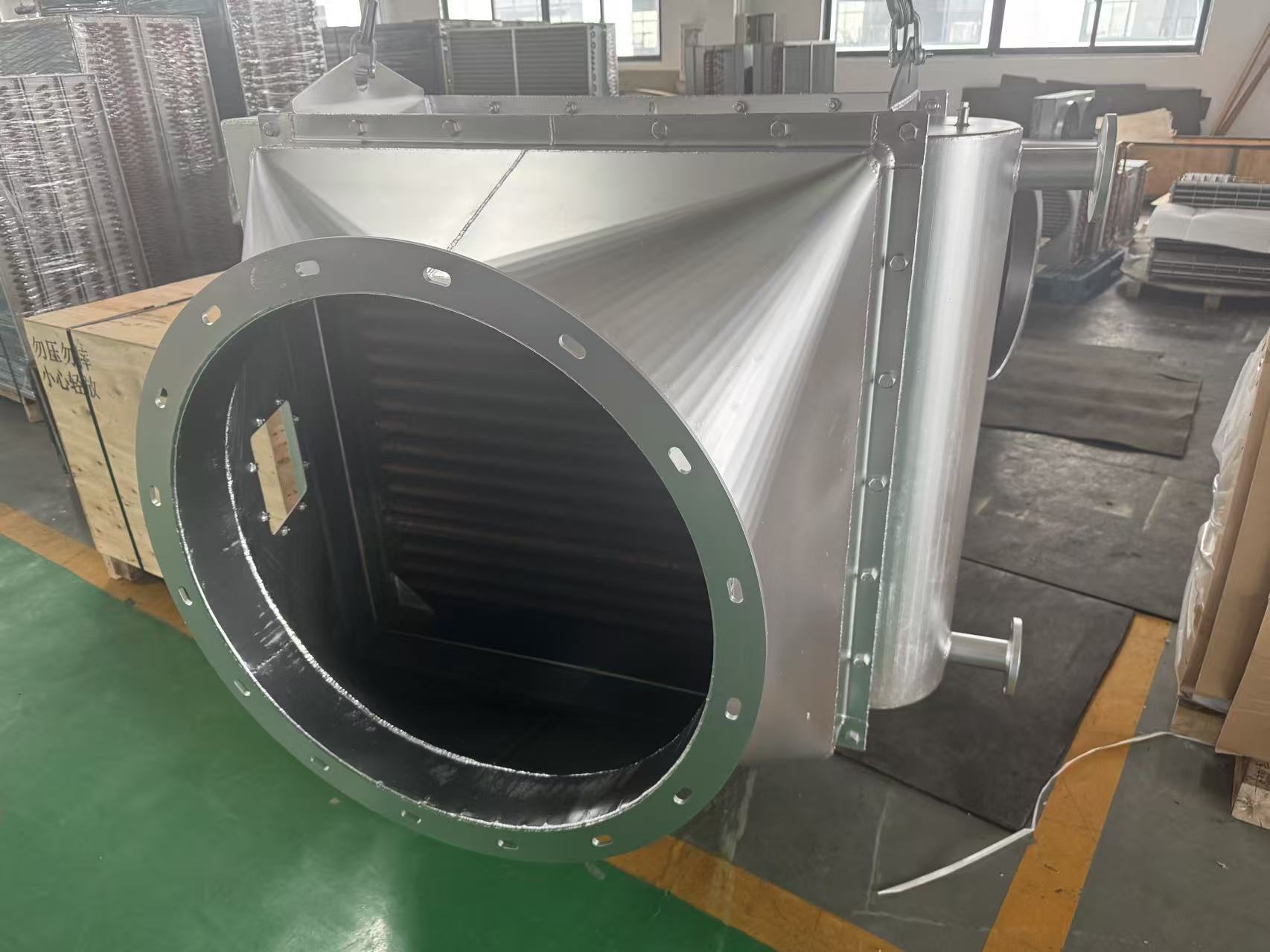
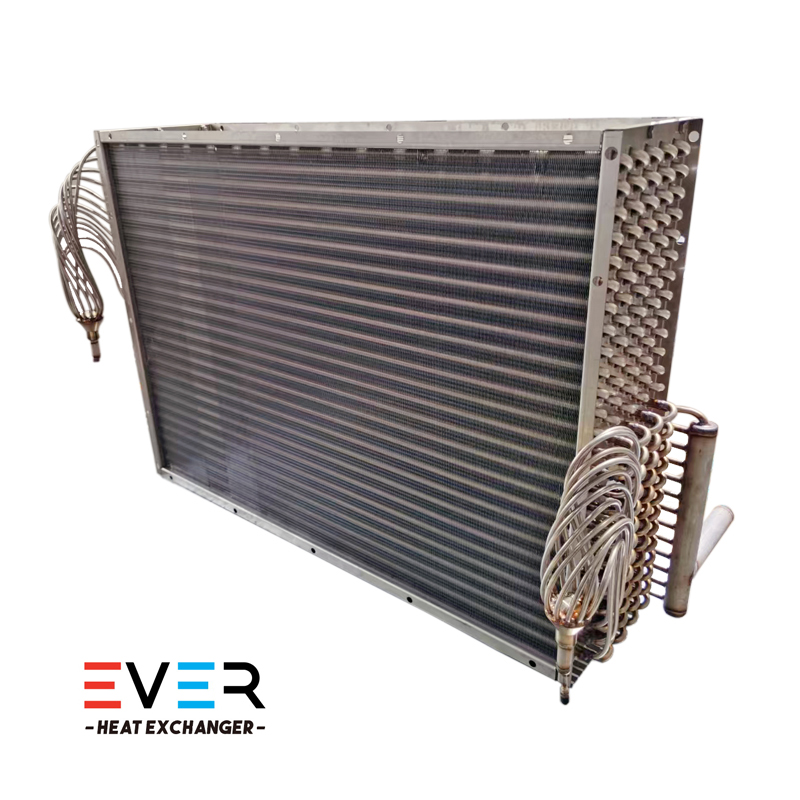
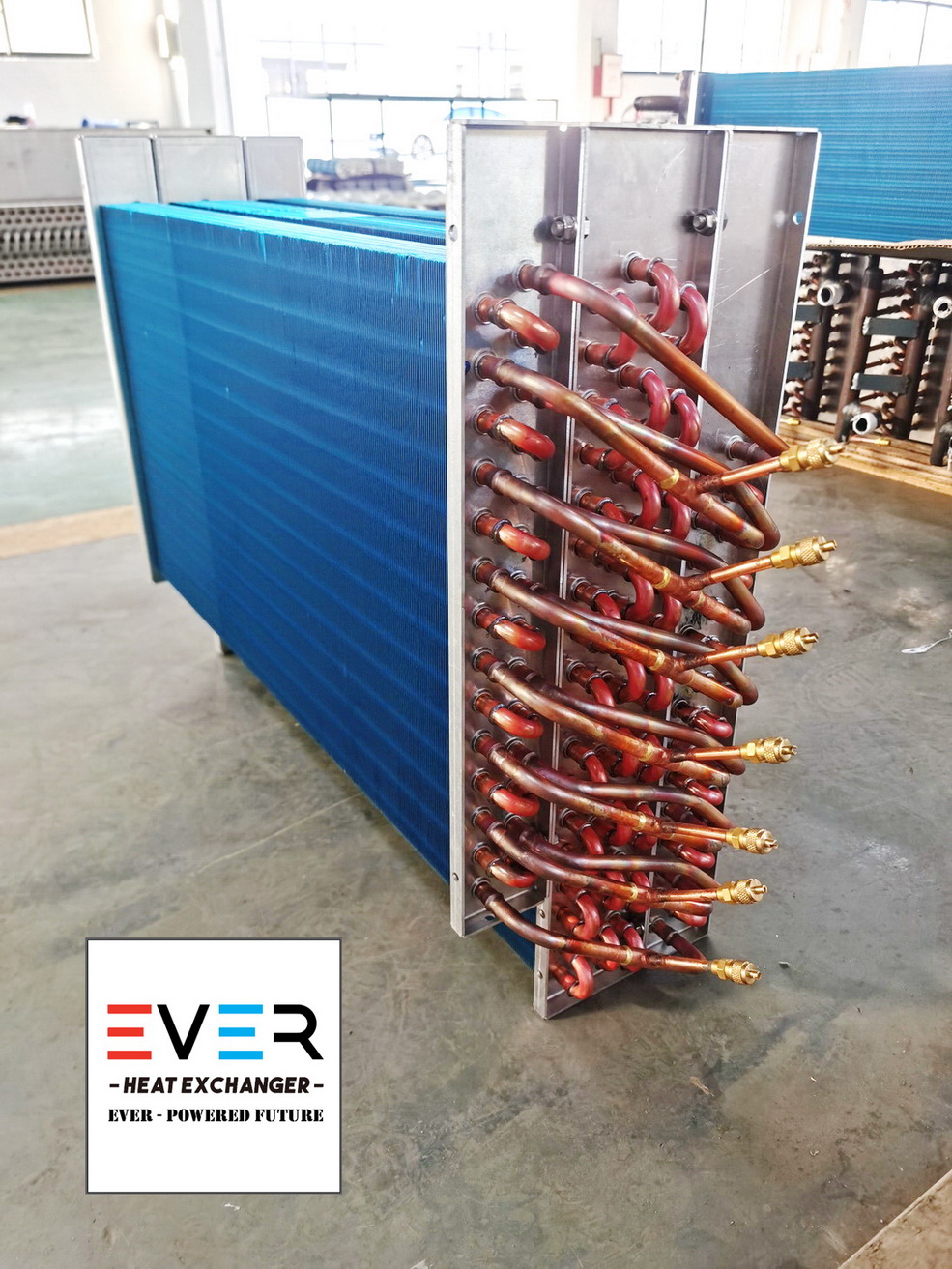
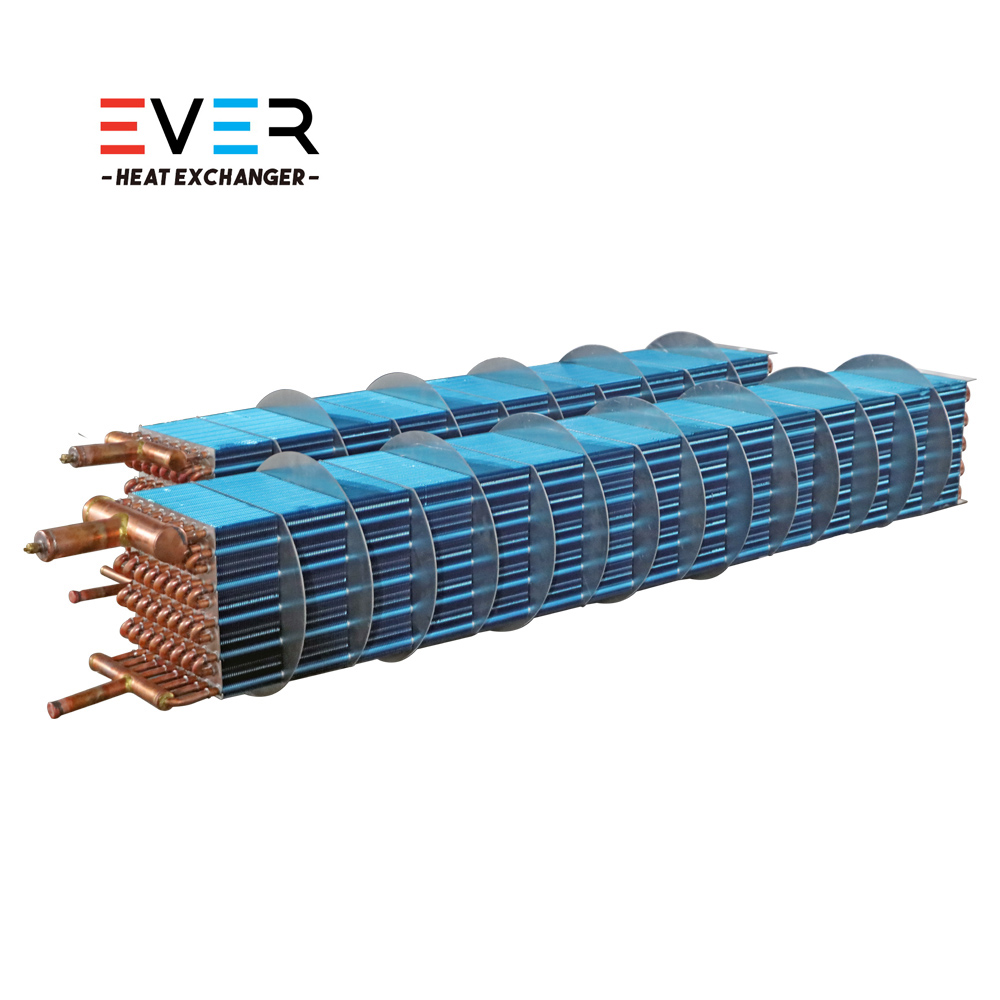
Stainless steel evaporators are heat exchangers designed for aggressive environments where standard copper-aluminum coils fail prematurely. They are constructed entirely from stainless steel (typically 304 or 316L) for tubes, fins, casings, and headers, offering superior corrosion resistance, mechanical strength, and hygienic properties.
How does it work?
Like any evaporator, it absorbs heat from the surrounding air or process fluid into a refrigerant. The refrigerant evaporates inside the stainless steel tubes, and the fins increase the surface area for efficient heat transfer. Despite lower thermal conductivity compared to copper, engineers compensate with optimized geometry, fin density, and air-side design to achieve the required capacity.
Main types
- Stainless steel fin-tube coils: Most common for air-cooling applications; fins mechanically bonded to tubes.
- Plate evaporators: Used in liquid chillers, CIP systems, and hygienic applications.
- Shell and tube evaporators: For industrial flooded or DX systems with ammonia or CO₂.
Why stainless vs. copper/aluminum?
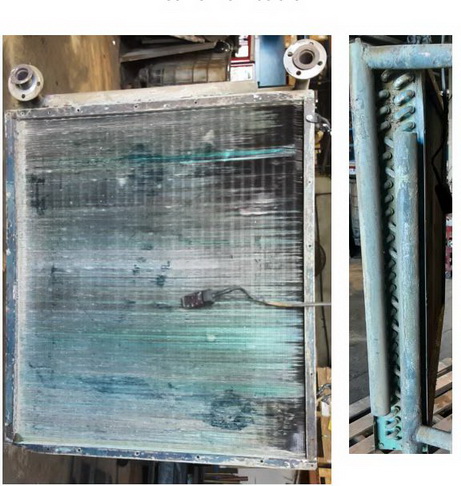
Standard Cu/Al coils suffer from galvanic corrosion, pitting in coastal or chemical environments, and incompatibility with ammonia. Stainless steel eliminates these issues, provides longer service life (up to 3–5x), and withstands aggressive washdown chemicals and high-pressure cleaning.
Applications
- Cold storage and food processing (meat, seafood, dairy)
- Pharmaceutical cleanrooms and cold chain
- Chemical plants and corrosive industrial environments
- Ammonia (NH₃) and CO₂ refrigeration systems
- Data center cooling with corrosive outside air
Design & selection checklist
- Material grade: 304 for general food/industrial; 316L for coastal, high-chloride, or pharmaceutical.
- Capacity & air flow: Confirm required cooling load (kW/TR) and face velocity.
- Fin pitch & geometry: Wider pitch for dirty or washdown environments; louvered fins for efficiency.
- Pressure drop: Evaluate fan static pressure requirements.
- Refrigerant compatibility: NH₃, CO₂, HFCs, HFOs, glycol.
- Casing & drain pan: Full stainless construction to avoid crevice corrosion.
Installation & commissioning
Ensure proper support to avoid stress on headers and tubes. For ammonia systems, verify all joints are welded by certified stainless steel welders. Perform leak testing with nitrogen or helium. Maintain adequate slope for condensate drainage. Avoid mixing stainless with dissimilar metals without isolation to prevent galvanic corrosion.
Maintenance & serviceability
Stainless steel coils resist chemical cleaners that would destroy aluminum. Regular inspection of fin condition and drain pans is still required. In food plants, use approved non-chloride cleaners. Pressure washing is safe if directed at proper angles. The longer service life offsets higher upfront cost.
Quick selection (copy-into RFQ)
| Parameter | Your requirement |
|---|---|
| Capacity (kW / TR) | |
| Refrigerant | |
| Material grade (304 / 316L) | |
| Fin pitch (mm / FPI) | |
| Face dimensions (W x H) | |
| Air flow (m³/h / CFM) | |
| Ambient / process conditions |
FAQ
Not necessarily. Coil performance is governed by overall heat transfer coefficient (U), dominated by air-side convection, fin geometry, and refrigerant distribution. Engineers compensate by increasing surface area, optimizing fin density and louver geometry, tuning air velocity, and selecting wall thickness appropriately.
Coastal or chemical atmospheres, ammonia (NH₃) systems, CO₂ systems with harsh sanitation, facilities with frequent high-pressure washdown, seafood and meat processing plants, and sites with sulfur-bearing or corrosive gases where Cu/Al coils fail prematurely.
Slightly higher pressure drop is possible if geometry is unchanged. Designers offset this with fin pitch, louver design, face velocity, and fan selection. Net impact can be neutral when the coil is properly engineered.